

Love letters
Writing letters is a skill that is sadly disappearing

The first time I visited Mexico was in 1977. The Mexican mail service was terrible (it still is) and it took three months for a letter of mine to get to my parents, and vice versa. I was staying with friends in the Colonia Napoles in Mexico City and happy to be far away in an exciting country that was full of mystery, sun, interesting men and vibrant city life. I was also blissfully unaware of the surprises that lay in wait for me. It took me three months to make it to the Zocalo, or main square, and I was amazed that all the buildings, including the National Palace and Cathedral, were so European.
Having got somewhat used to what I considered to be Mexican life and architecture and food and ways and traditions the trip to the historic centre left me gobsmacked. Ignorant I was, because it was only then that I really began to understand the history of Mexico and life at that time.
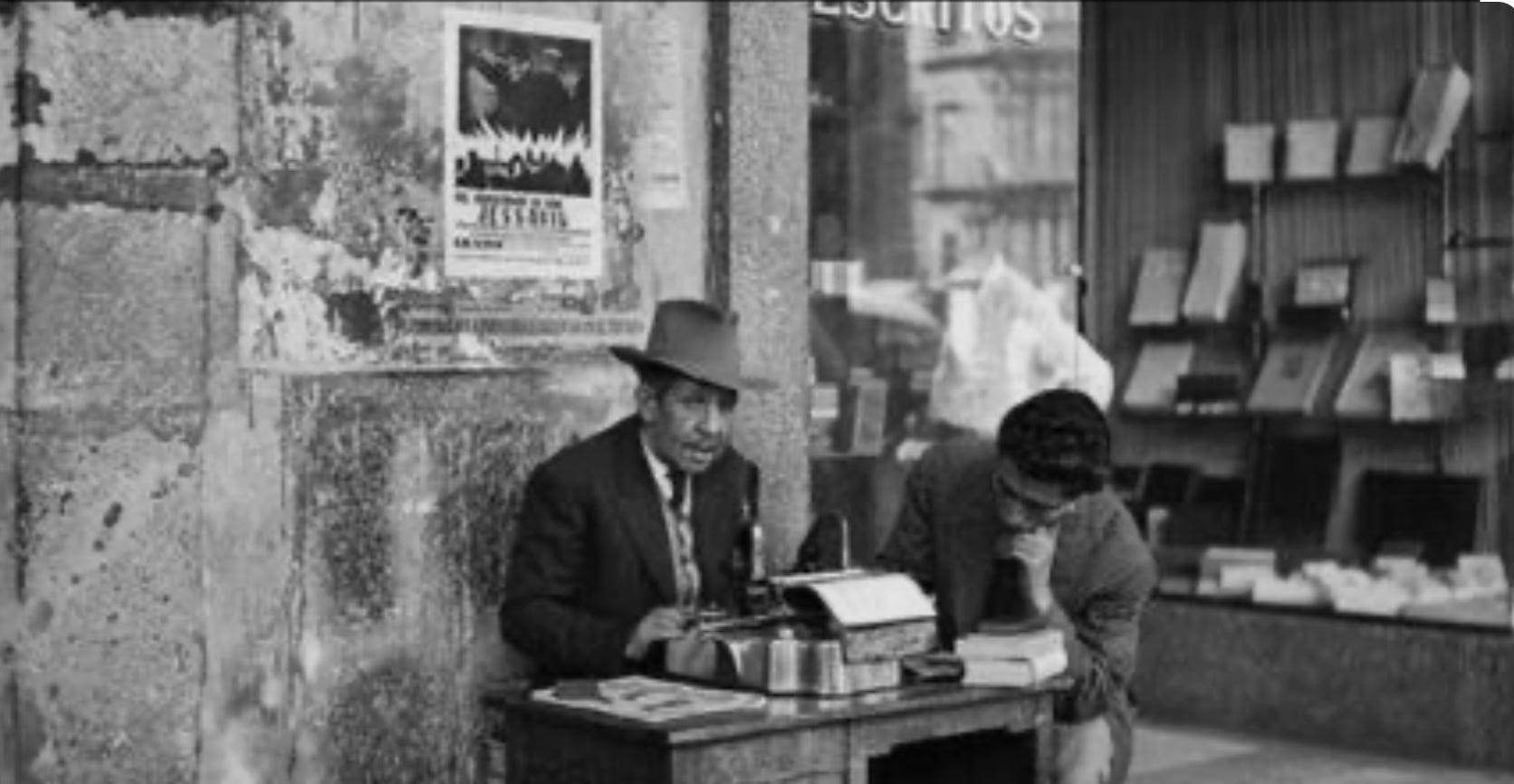
The Zocalo back then had gardens at each corner and though there was plenty of traffic it wasn’t nearly so frenetic as it is now. What I really loved to see, wending my way through the concheros (dancers with conchas, or shells, on their legs), drummers, incense smoke, people asking for money, and taco stands, were the men sitting on stools with manual typewriters placed on small, rickety wooden tables, waiting for customers to come and ask them to write letters for them. Love letters particularly but also letters of complaint, letters to the government, letters to children or family al otro lado (in the US). All types of letters for people who were unable to read or write. Illiteracy rates were alarming back then, with roughly 30% of the population unable to sign a letter, or will, or government paper.
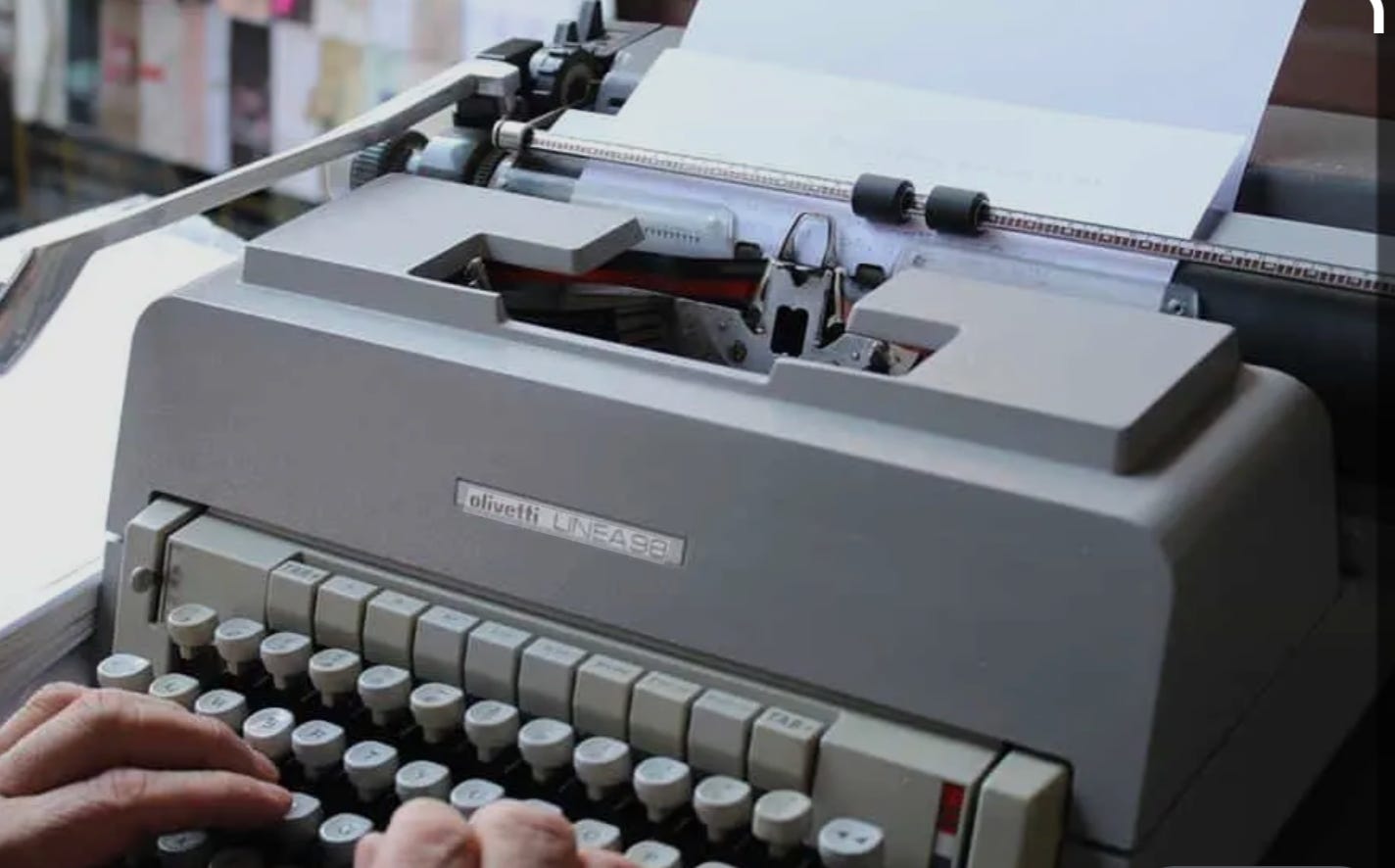
Love letters were written and created by these men who may or may not have had creative skills, and I bet a lot of letters were written that were similar not only in style but also in content, and then posted to unsuspecting people who, hopefully, were thrilled with the result.
Those letter-writing escribanos, or scribes, remained with me, although they have all but disappeared. I would have loved to have read some of their letters back in the 70s, but perhaps I can invent a couple…
Chucho,
You haven’t sent me money lately, the children need new shoes. Can you send some?
Your mother is sick too, I need medicine for her.
We got into trouble with the taco stand, the police made us pay for it and I can’t do it anymore. The police always want to eat for free and I can’t do it.
Fat pigs.
When are you coming?
Send money.
Me and the kids miss you, Mari
Or maybe this…
Darling Laura,
I miss you so much, I want to see you, hold you, touch you.
I send you kisses with this letter which I want you to keep for ever.
Send me your kisses too, because I miss them and miss you and kiss you and want to kiss you, you know where…
When are you coming? Put me out of my misery, please, please, please.
I adore you
Paco
PS I love you and I’ll buy you that dress you wanted
I just don’t know what sort of letters were written back then. It’s hard to be totally creative if you’re having to dictate your feelings to a scribe hunched over a typewriter who may not be interested in hearing them. Illiteracy is almost eradicated from Mexico nowadays and technology means that love letters have been reduced to emails or WhatsApp messages, there is a total lack of romanticism in that.
It’s so sad that letters are no longer written. When was the last time you wrote a letter and actually mailed it? When was the last time you received one, that isn’t from the bank or the government? A literary skill has sadly got lost, writing a love letter these days is reduced to instant messages and emoticons.
Send a letter to, and surprise your loved one, there is no one who doesn’t love a wonderful letter. Especially, a love letter.
What a treat to read your memories from the 70s of the escribanos in Mexico City. My husband informed me they could still be found in the Plaza de Santo Domingo, so with a little research I found that though they are in danger of extinction, there are still six escribanos, using their old typewriters, refusing to go digital! Still writing documents and love letters, but I doubt any as good as yours, Ros!
Fascinating, Rosalind. I love that idea of the communal secretary, waiting in the square to type letters on request. But of course the reason behind it - illiteracy - not so much.